I recently toured the Wayfinding Centre (TWC) in Dublin, Ireland, the first and only facility of its kind in the world. As Kevin Kelly, the Head of Policy, Partnerships and External Affairs for Vision Ireland, took me on a tour of the facility, I learned about the important work being done at TWC.
Kevin, himself blind, shared some of the everyday challenges faced by people trying to do something as basic as getting into a taxi or taking the bus. We also discussed the relevance of the facility to the travel industry and the progress (and hangups) of inclusive design at large. With a few other complexes hot on TWC’s heels, hopefully it’s only a matter of time before centers like these are available around the world.
What is the Wayfinding Centre?
The Wayfinding Centre is a multi-use facility designed for disabled education and advocacy. The space holds corporate educational seminars and training retreats as well as group tours for legislators and decision-makers.
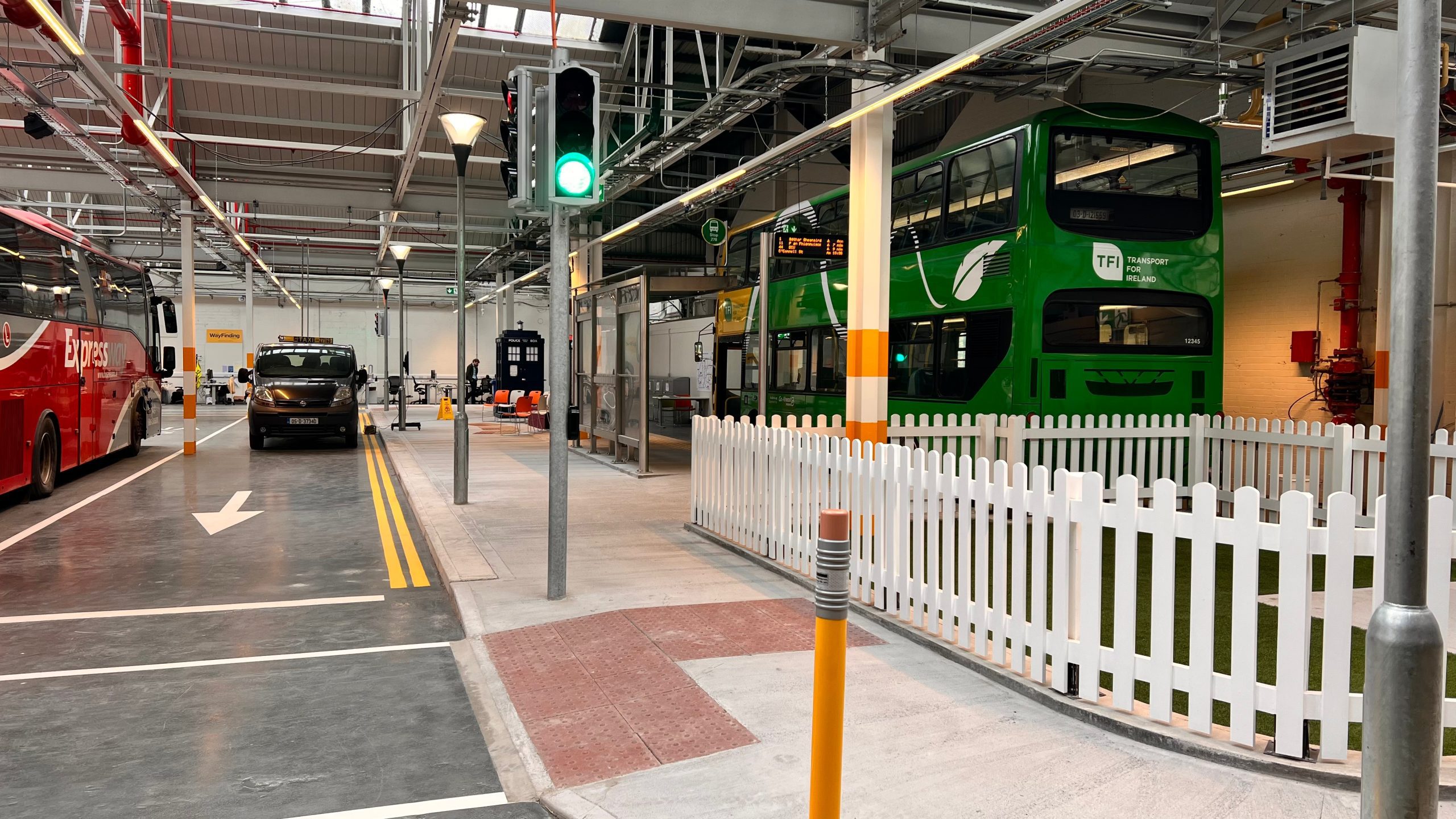
The Wayfinding Center was born out of an identified need by Vision Ireland, a nonprofit advocacy group for the vision impaired here in Ireland, for a training facility where the blind could practice using public transit in a lower-stress environment. As funding was secured, it was decided that a fully disability-inclusive facility would be more appropriate.
Can anyone visit the Wayfinding Centre?
Currently the facility provides workshops and seminars for transportation companies and their employees to be educated on best practices and protocols when assisting disabled customers. It also allows folks with disabilities to practice public transit scenarios in a variety of lower-stress public transit situations, from navigating crosswalks to boarding a plane.


Why are facilities like the Wayfinding Centre important for travel?
Disabilities keep many people from traveling. Not knowing what to expect when you arrive at the airport or try to board a train is understandably overwhelming. However, TWC allows people to experience public transit situations in a judgment-free, re-do friendly zone. Street noise, sidewalk and footpath textures, and other real-life elements help disabled travelers acclimate to these environments and better anticipate the travel experience.
Through their advocacy work, TWC brings accessibility changes to the front step of important decision makers and business leaders. From airline executives to policy makers, understanding the simple, daily challenges faced by disabled people as a result of shortcomings in design practices allows improvements to be made in future development.
Did you know? Coach buses are one of the least-accessible modes of transit.
In the travel industry, sustainability is the buzz word at the tip of everyone’s tongues. And a key aspect of sustainability is social equity, which includes accessibility. The world’s best sustainable development makes it easier for people to utilize a space or service, regardless of their physical, mental, financial, or other situations. As travel professionals, our destinations deserve to be enjoyed by all. That’s why it’s important to educate ourselves, advocate for others, and invest in inclusive design solutions like those presented at the Wayfinding Centre.
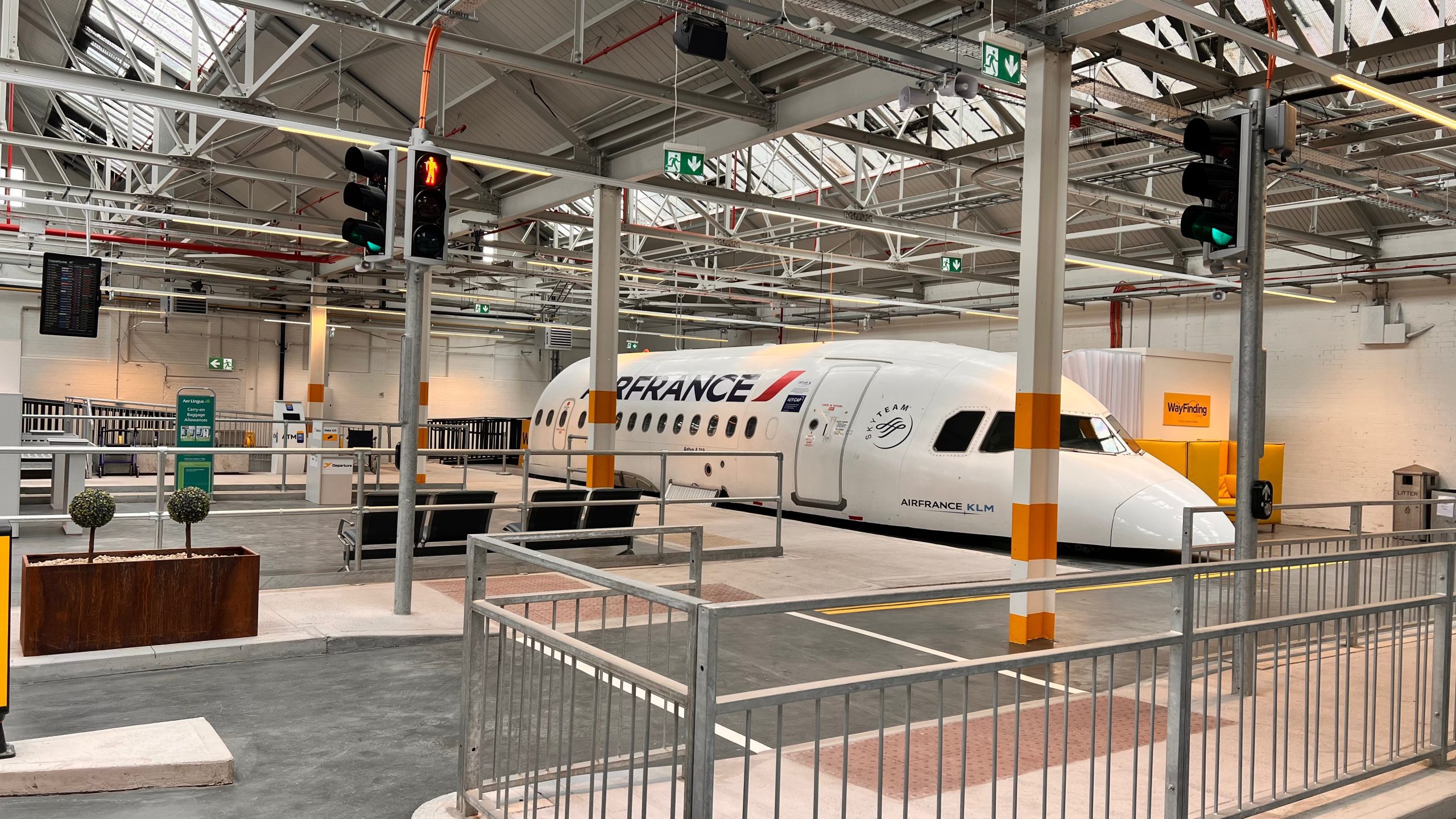
Are there other Wayfinding Centres?
The Wayfinding Centre in Dublin, Ireland, is the first and only facility of its kind and scale in the world. Australia, which is also a global leader in a nationalized standard for inclusive infrastructure, has a similar advocacy group at the Center for Inclusive Design. Canada, New Zealand, and Germany are also working towards similar centers.
How can you support inclusive infrastructure and travel?
Here are few steps you can take to be a better ally to disabled travelers and support inclusive, sustainable travel:
- Educate yourself. Watch webinars, do some reading, and engage in meaningful conversations about inclusion.
- Give your time and money. Donate to advocacy groups and volunteer your skills.
- Support inclusive creators. Travelers like Cory Lee share destinations through the lens of accessibility, highlighting inclusive attractions and experiences as well as frustrations and challenges.
- Use your voice. Call your local representatives and use your vote to advocate for inclusive policies, development, and design.
- Be an advocate in every day life. Be aware, and if you see someone struggling, kindly ask if they’d like help.